
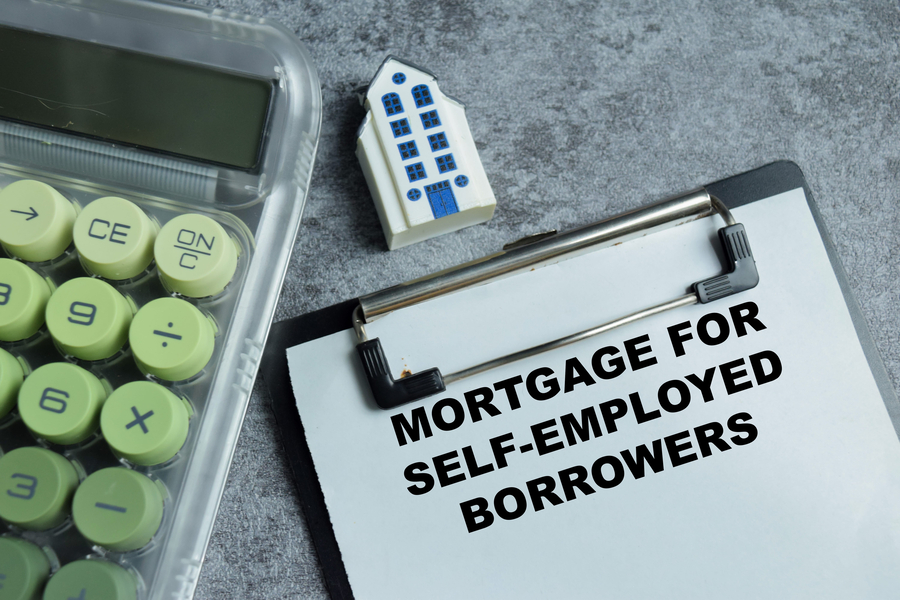
In 2026, securing a mortgage without traditional W2 forms has become increasingly accessible for business owners in Coral Springs. With loan options like bank statement loans, many self-employed individuals are finding paths to homeownership that were previously difficult to navigate. At Ace Mortgage, we focus on helping entrepreneurs and freelancers understand options in self-employed mortgages in Florida, even without standard tax return documents.
The “Tax Write-off” Trap for Self-Employed Buyers
One of the biggest hurdles self-employed individuals face when applying for a mortgage is the “tax write-off” trap. Many business owners reduce their taxable income through deductions, which, while beneficial for tax purposes, can complicate mortgage approval processes. Traditional lenders often rely on net income figures from tax returns, which may not accurately reflect an applicant’s true financial standing.
This is where bank statement loans come into play. By using gross income from bank statements, lenders can offer a more accurate picture of a borrower’s financial health. This method helps work around the limits posed by tax deductions, enabling self-employed individuals to qualify for a self-employed mortgage in Florida, based on their actual earnings.
How Ace Mortgage Uses Bank Statements to Verify Income
At Ace Mortgage, we understand the unique challenges faced by self-employed individuals. Our approach involves using bank statements to verify income, providing a practical alternative to traditional income documentation. Here’s how it works:
- Income Verification: We analyze 12 or 24 months of bank statements to calculate gross deposits. This method provides a clearer view of an applicant’s cash flow, independent of tax deductions.
- Expense Factor: A standard expense factor is typically applied to the gross deposits to estimate net income. This factor is often set at 50%, but can be adjusted based on a CPA letter verifying lower business expenses.
- Flexible Documentation: Unlike conventional options, bank statement loans do not require tax returns, making them ideal for those whose tax deductions significantly lower their reported income.
By focusing on actual income rather than taxable income, we offer a pathway to homeownership that fits how many businesses operate. For more information on how bank statement loans differ from conventional options, visit our website.
Choosing Between 12-Month and 24-Month Programs
When choosing a bank statement loan, borrowers can choose between 12-month and 24-month programs. Each option has its advantages, and the choice largely depends on the borrower’s financial history and future plans.
12-Month Program
The 12-month program is ideal for business owners who have experienced recent growth or have consistent monthly deposits. This option allows borrowers to use their recent financial performance to secure a mortgage quickly. Additionally, it can be a great choice for those looking to take advantage of favorable market conditions without delay.
24-Month Program
On the other hand, the 24-month program is suitable for those with fluctuating income streams or seasonal businesses. By averaging income over a longer period, this option provides a more stable representation of financial health. It can also result in better loan terms due to the steady income history over two years.
Choosing the right program is important, and our team at Ace Mortgage is here to guide you through this decision, ensuring you select the option that best meets your financial situation and homeownership goals.
Documentation You’ll Need to Get Pre-Approved
To get pre-approved for a bank statement loan, certain documentation is needed. While these loans offer flexibility, having the right paperwork will make the approval process smoother. Here’s what you typically need:
- Bank Statements: Provide either 12 or 24 months of personal or business bank statements.
- CPA Letter: If applicable, a letter from your CPA detailing your business expenses can help adjust the expense factor in your favor.
- Proof of Business: Documentation proving the existence of your business, such as a business license or articles of incorporation.
- Credit Report: While less stringent than traditional loans, a credit score of at least 660 is generally required.
By preparing these documents in advance, you can speed up the pre-approval process, bringing you one step closer to homeownership. For more detailed information on documentation and other specialty loans, visit our website.
Securing a mortgage as a self-employed individual in Coral Springs is not only possible but also increasingly convenient with the right loan options. At Ace Mortgage, we are committed to providing personalized solutions that cater to the unique financial situations of business owners. Whether you opt for a 12-month or 24-month program, our team is here to assist you every step of the way. Explore our offerings and take the first step towards homeownership today!
FAQs
How do lenders calculate income from bank statements?
Lenders typically average 12 or 24 months of gross deposits and apply a standard expense factor (usually 50%, unless a CPA letter proves lower) to determine your qualifying monthly income.
Can I qualify with a 1099 but no tax returns?
Yes. If you are a 1099 contractor in Florida, a bank statement loan allows you to use your 1099 earnings without the deductions shown on your tax filings.
What is the minimum credit score for a 2026 bank statement loan?
At Ace Mortgage, we generally see approvals starting at a 660 FICO score, though higher scores result in significantly lower interest rates.
Can I use personal bank statements instead of business ones?
Yes, but using business statements often allows for a more favorable expense factor calculation, potentially increasing your buying power.
Are bank statement loan rates higher than conventional?
Typically, yes. Because these are “Non-QM” loans, rates are roughly 0.75% to 1.5% higher than traditional W2 mortgages to account for the increased documentation flexibility.